The Fire Noodle Challenge Was Just the Opening Act – How K-Ramyeon Quietly Took Over Walmart Shelves AND India’s Dinner Tables
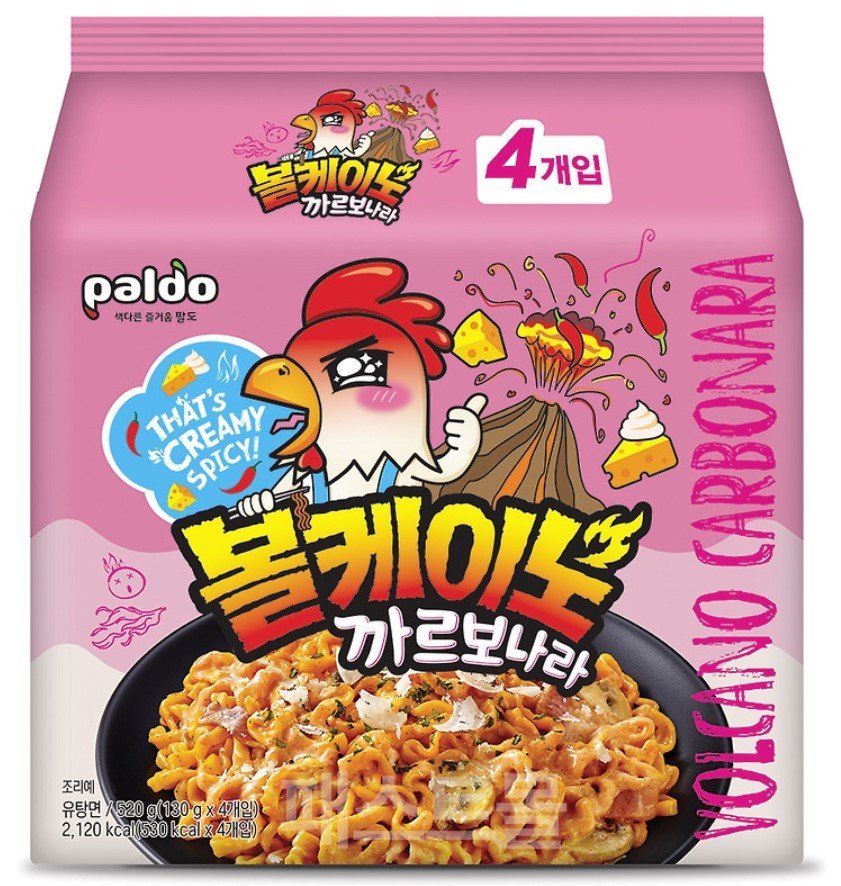
You’ve probably seen it already – that AI-generated video of a squirrel losing its mind over buldak bokkeummyeon (fire noodles) that racked up over 100 million views. But here’s the plot twist nobody’s talking about: long before that meme blew up, K-ramyeon had already quietly claimed prime real estate on Walmart’s main shelves AND climbed to the top of delivery apps in India’s tier-2 cities. What’s been lumped together under one catchy phrase – the Fire Noodle Challenge – is actually three completely different battles happening at once. Market-specific strategy, a full pivot to local production, and corporate scrambling to keep up with a meme that’s gone way beyond their control. Let’s break down what’s really going on behind the scenes. 👀
📌 Just the facts, ma’am
- South Korea’s ramyeon exports hit a record $1.2 billion last year, with the U.S. market growing over 30% annually.
- Nongshim fired up its second U.S. factory back in 2022, now cranking out 850 million packs a year.
- Ramyeon exports to India skyrocketed from a modest $380K in 2016 to a jaw-dropping $19.2 million in 2025 – that’s roughly a 50x jump. Korean noodles now hold a 34% share of India’s imported noodle market.
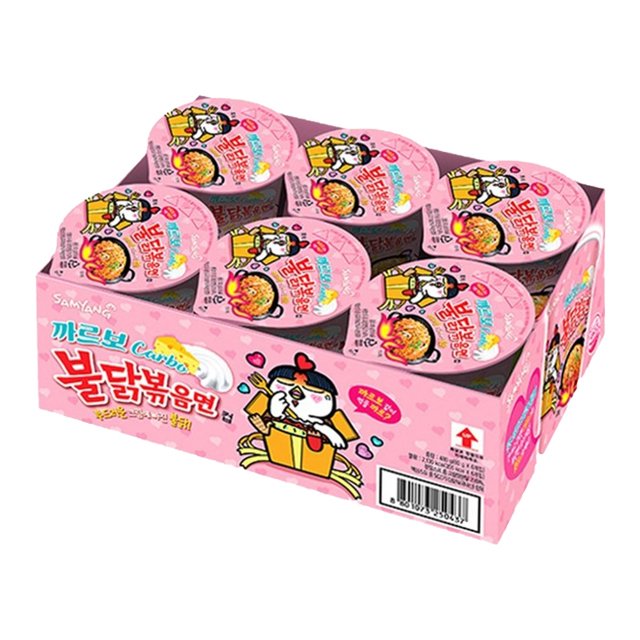
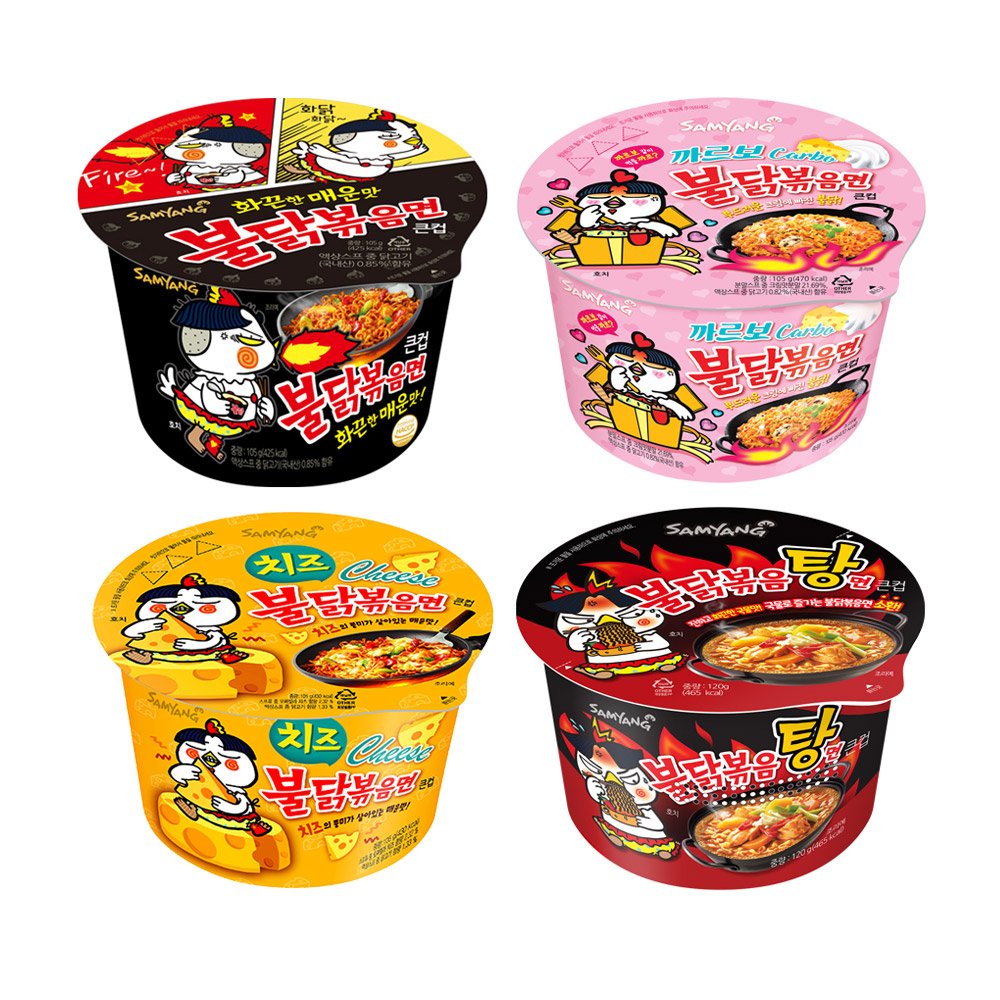
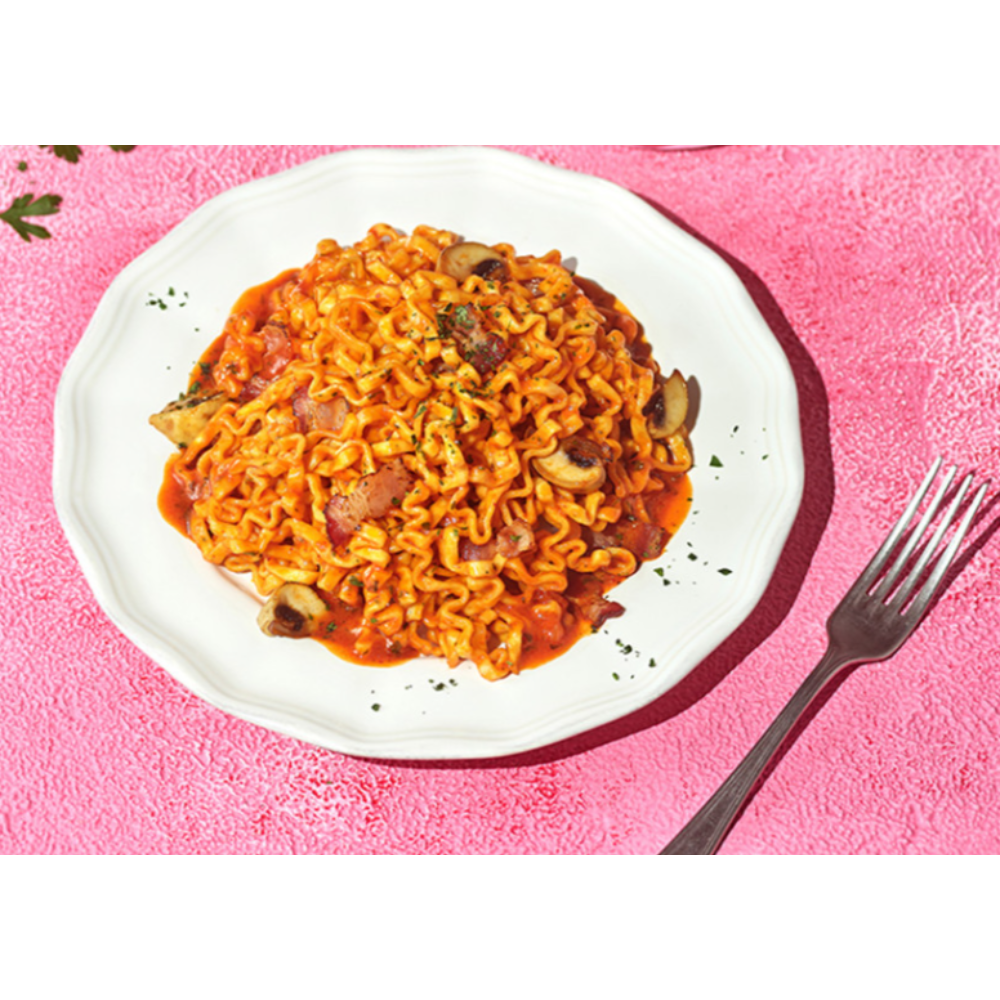
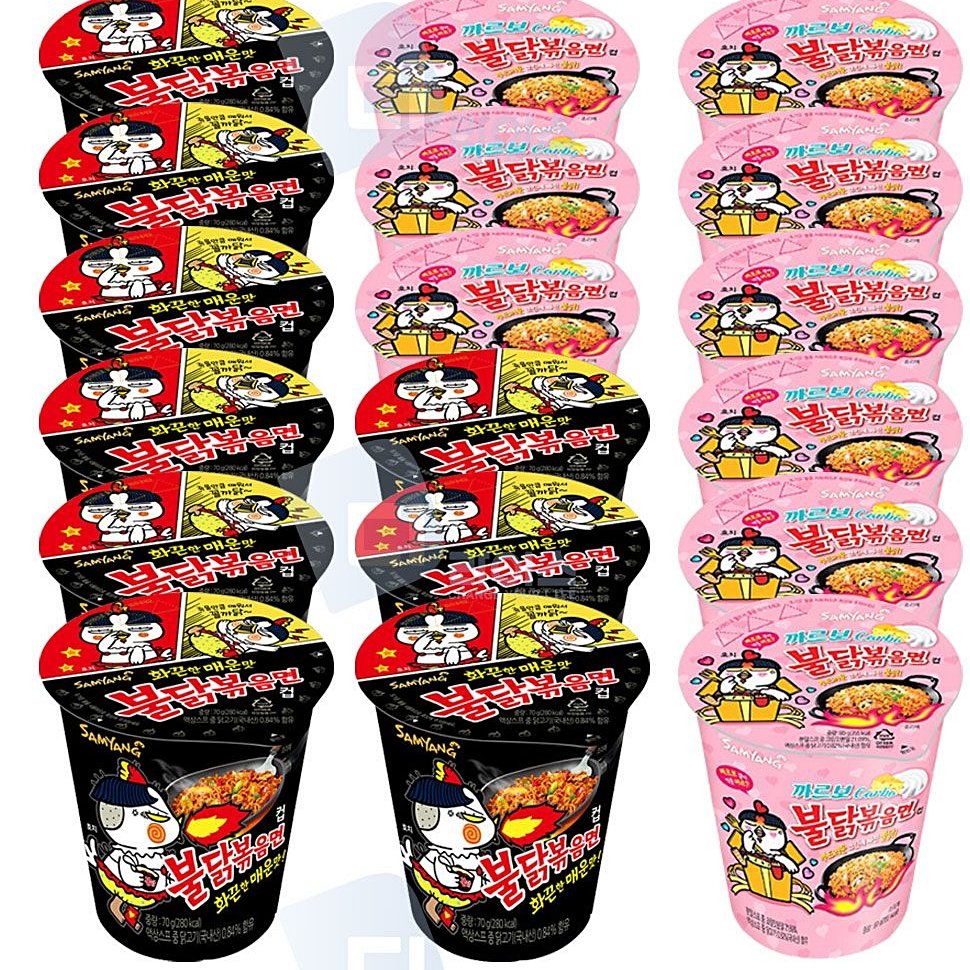
- On India’s delivery platform Instamart, the single best-selling K-food item was Samyang’s Carbo Buldak Bokkeummyeon.
- Global chains operating in India – McDonald’s, Nestlé (Maggi), KFC, Domino’s – have all rolled out menu items featuring gochujang or Korean-style sauces.
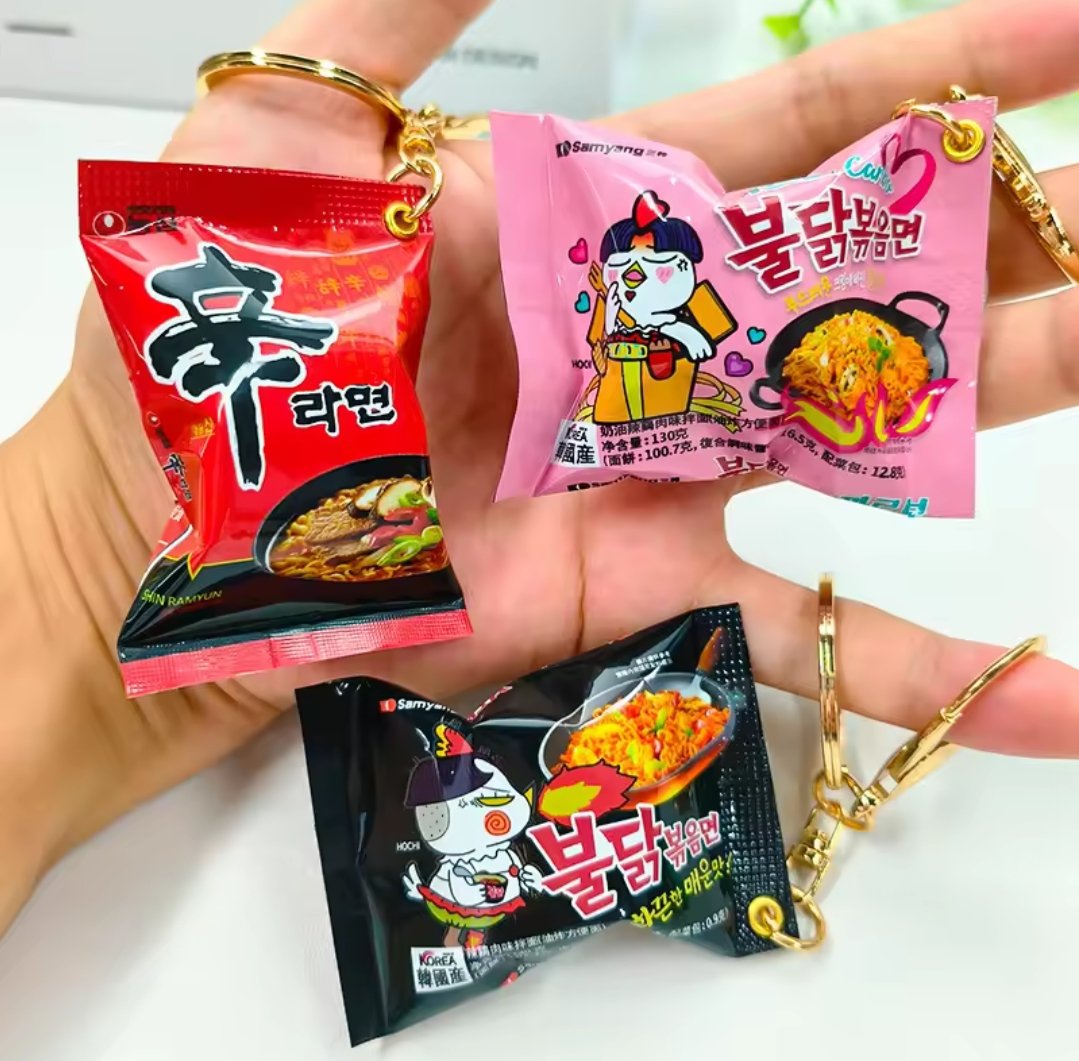
- That viral squirrel-eating-fire-noodles AI video? Nearly 100 million views, but here’s the kicker – Samyang had zero involvement in making it. Pure fan content.
- A Samyang spokesperson confirmed they’re steering away from uncontrollable AI memes and doubling down on manageable promo channels instead – think movies, K-dramas, and celebrity collabs.
🔍 Not everyone’s seeing eye to eye
| Perspective | Take |
|---|---|
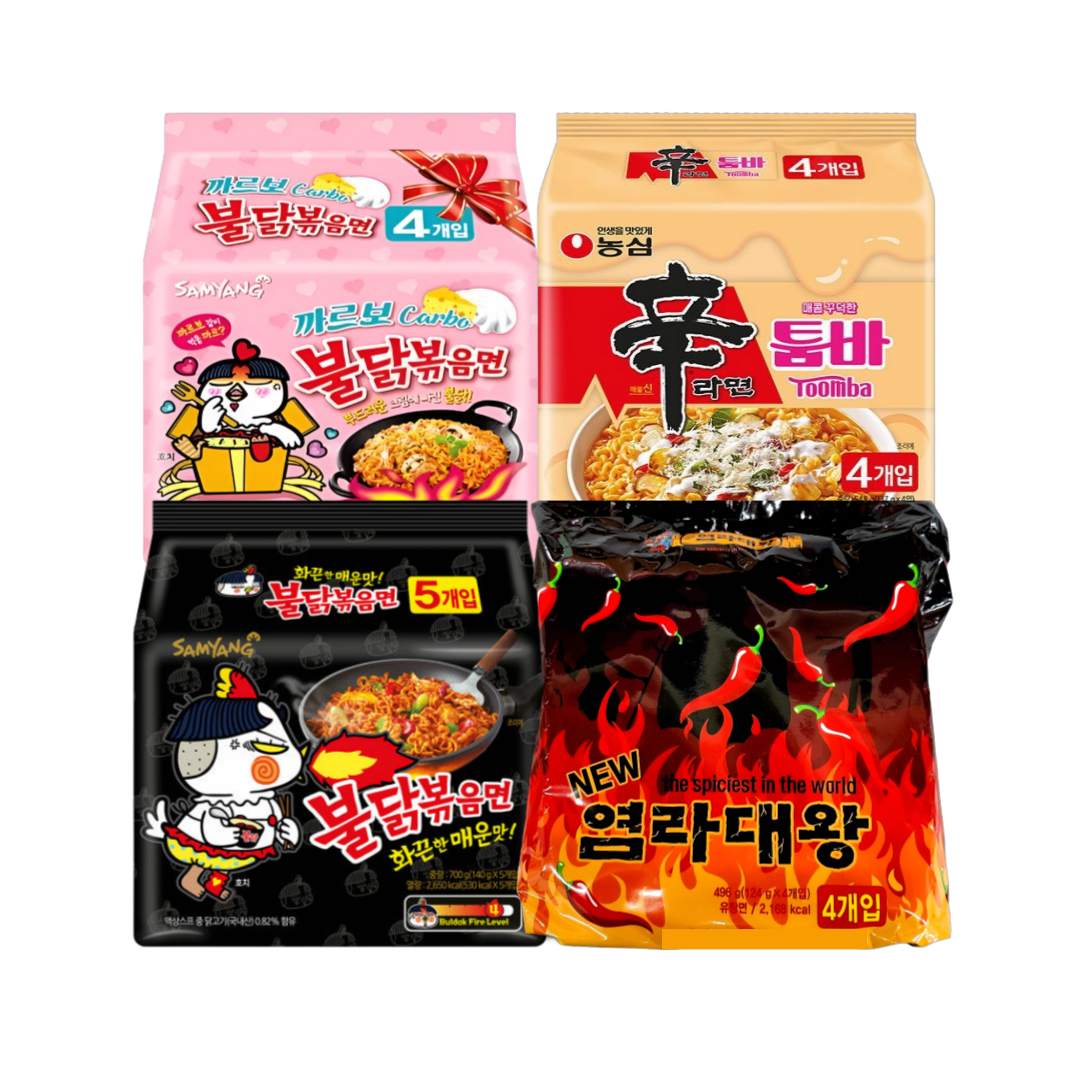
| Industry strategists | K-ramyeon’s rise isn’t some happy accident – it’s a calculated business war combining hyper-localized flavors (Shin Ramyun Gold, Tumba, vegan lines, Habanero Lime Buldak) with a full shift to local manufacturing. |
| Local consumers | In India, folks who got hooked through YouTube/TikTok challenges are sticking around long-term, having fun exploring the full lineup – veggie, stir-fry, soup-based, you name it. |
| Brand management concerns | Sure, viral memes = free marketing gold, but content showing animals in distress that the brand can’t control? That’s a PR landmine waiting to happen (hello, animal cruelty backlash). |
| Market outlook | India’s instant noodle market is projected to more than double to roughly ₩5 trillion by 2031, with religious dietary restrictions (no beef, no pork) making vegetarian and chicken-based products the real game-changer. |
❓ Questions fans keep asking
Q1. Would K-ramyeon be this huge without the Fire Noodle Challenge?
A1. The meme wave definitely lit the fuse for early awareness, no doubt about it. But it can’t fully explain landing prime Walmart shelf space or getting entire factories built overseas. Realistically, it’s the combo of a diversified spice spectrum PLUS shifting production locally to dodge tariff headaches that made the real magic happen. 🔥
Q2. Why is K-ramyeon specifically killing it in India?
A2. India’s love for spicy, fermented foods pairs perfectly with Korean gochujang and fire sauce flavors – it’s basically a match made in heaven. Add in a young population (median age 28) and exploding delivery app usage, and you’ve got social-media-curious buyers turning into loyal repeat customers.
Q3. How does the company handle content it can’t control, like the squirrel meme?
A3. Rather than trying to shut down unofficial content, Samyang says they’re putting their marketing muscle into channels they CAN manage – movies, dramas, celeb partnerships – instead of chasing an uncontrollable meme.
💡 Here’s my two cents
The real story here is that “trend” and “structure” have officially split into two separate lanes. Memes like the Fire Noodle Challenge or that chaotic squirrel video can fizzle out any day – that’s just how internet culture works. But numbers like a fully operational U.S. factory or a 34% share of India’s imported noodle market? Those don’t just disappear overnight. Social media hype cracked the door open, sure, but what walked through it was a meticulously calculated product diversification strategy and a serious production pivot. This is K-food shifting from “flash-in-the-pan trend” to becoming an actual food category standard – that’s huge. That said, this growth comes with fresh risks attached: image damage from memes the brand has zero control over, and the built-in ceiling that meat-based products hit in markets like India where religious dietary customs run deep. Going forward, the winners in K-food won’t be decided by who makes the spiciest noodle – it’ll come down to who reads each market’s cultural nuances most precisely while still protecting their own brand image. 🎯
💬 What locals are actually saying
One consumer in New Delhi mentioned discovering the fire noodle craze through YouTube and TikTok challenges before eventually becoming a regular buyer, specifically loving the variety – veggie, stir-fry, and soup-based options all in the mix. Beyond that, broader public reaction in the available data is pretty limited, and there’s no clear record of consumer response specifically tied to the squirrel meme itself.
Source: https://blog.naver.com/PostView.naver?blogId=hans&logNo=224050789682