The Truth Behind Kombucha: Is This Trendy Fermented Tea Really Safe to Drink Instead of Water? 🍵
If you’re keeping up with the latest drink trends at local cafés and convenience stores, you’ve definitely noticed kombucha taking over the shelves! ✨ It’s heavily hyped as a healthier swap for sodas, a secret weapon for weight loss, and an absolute game-changer for gut health. It has seriously exploded in popularity, especially among folks looking to cut back on alcohol and swap out their daily water intake. But TBH, the “miracle drink” aesthetic all over social media hides a much more complex reality. Is kombucha actually safe to sip on all day like water? 🤔
📌 The TL;DR on the Facts
- Kombucha is a fermented drink made by adding a symbiotic colony of bacteria and yeast (SCOBY) to black or green tea, producing probiotics, organic acids, and glucuronic acid during fermentation 🦠
- Compared to regular sodas, it’s typically lower in calories and sugar (usually 10–40 kcal and under 5g of sugar), landing many products in the low-sugar beverage category
- Because it’s brewed from green or black tea, it still contains lingering traces of caffeine ☕
- Nutritional profiles—like sugar content, caffeine levels, carbonation, and probiotic counts—vary wildly from brand to brand
- Many commercially available products add extra sugars or sweeteners to balance out that signature sour tang
- Potential side effects include increased stomach acid, bloating, and digestive discomfort, especially when chugged on an empty stomach ⚠️
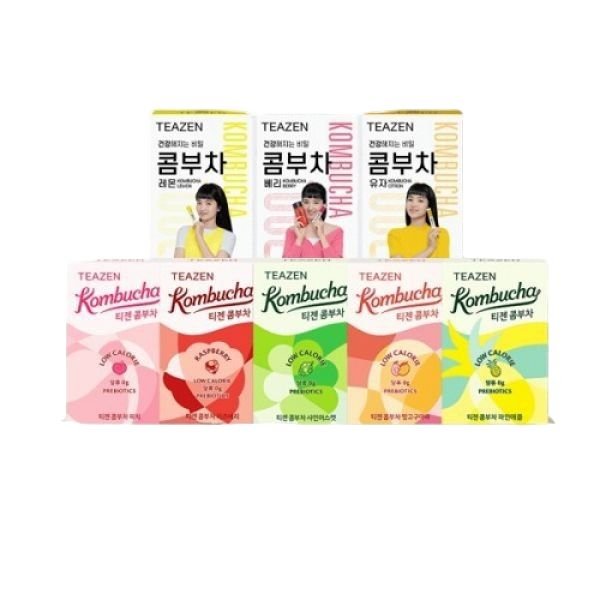
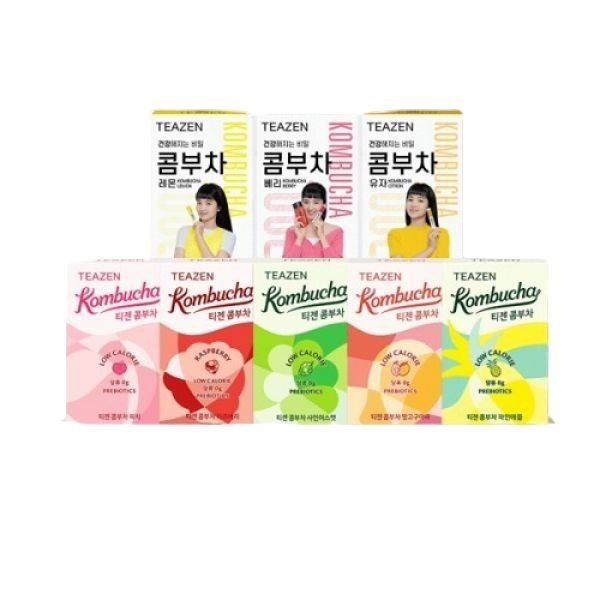
- Some major brands (like TEAZEN) currently offer a massive lineup of 17+ different flavor options
🔍 Two Sides to the Story
| Perspective | Core Arguments |
|---|---|
| The Optimist View: Potential as a Health Drink | Highlights benefits like improved gut health, antioxidants, and a lower-sugar alternative. It’s undeniably superior to regular soda, aids digestion, and can play a supportive role in weight management 🥗 |
| The Skeptic View: Warning Against Hype | Emphasizes that fermented drinks have significant acidity, caffeine, and sugar, meaning they definitely cannot replace water. It’s just a regular beverage, not a health supplement, and side effects depend heavily on individual body chemistry and stomach sensitivity 🛑 |
| The Diversification Trend | The lineup is expanding rapidly with fruit-based flavors like green tangerine lime, Shine Muscat, plum, and pineapple, resulting in distinct differences in taste and ingredients across brands 🍍 |
❓ Burning Questions You Might Have
Q1. Can you *really* drink kombucha instead of water every day?
A1. Hard pass—definitely not recommended! Because kombucha goes through a fermentation process, it’s naturally acidic and packs caffeine, acids, and sugar. Chugging it like water can trigger excess stomach acid, mess with your sleep, and cause blood sugar spikes. The sweet spot is about 1 to 2 cups (250–500ml) a day, ideally after a meal. Safety first, folks! 💯
Q2. Are the health benefits of kombucha actually legit?
A2. Science backs up kombucha‘s gut health perks and antioxidant properties. However, these are general effects that vary heavily from person to person, and product formulas differ massively. Plus, remember it’s a beverage, not a magical elixir or medicine—don’t expect pharmaceutical-grade results! 🤷♀️
Q3. With so many brands and flavors out there, how do I pick the right one?
A3. Always check the nutrition facts label first! Look for options with under 5g of sugar and less than 40kcal, check the caffeine content, and see if it vibes with your body. Even products with the same name can taste totally different, so start by buying just a small pack to test both the taste and how your stomach handles it before stocking up. Smart shopping 101! 🛒
💡 My Personal Take & Breakdown
Kombucha has carved out a super interesting niche in the beverage market. Positioned as a “healthier choice” sitting right between soft drinks and juices, it has captured a massive audience—from folks trying to cut back on booze to Gen Zers on a wellness kick. But behind this success story lies a gap between aggressive marketing and cold, hard reality.
First, there’s the issue of product consistency. While “kombucha” is a broad category, the actual ingredients and taste vary wildly depending on the brand and flavor profile. Sugar levels can swing dramatically even within the same product line, and artificial flavoring can be hit or miss. This puts the burden squarely on consumers to read nutrition labels like a detective 🕵️♂️.
Second, the myth of replacing water is straight-up dangerous. Given its fermented nature, acid and caffeine are unavoidable. People with sensitive stomachs, pregnant individuals, and nursing mothers should definitely consult a pro before diving in. The fact that you shouldn’t drink it on an empty stomach proves that kombucha is never a substitute for basic hydration 💧.
Third, while expanding flavor lineups like green tangerine lime, plum, and Shine Muscat make the market exciting, they also lead to major consumer confusion. Fruit-based flavors sound fresh and tempting, but taste satisfaction varies wildly from person to person.
At the end of the day, kombucha should be viewed as a “better alternative to soda” rather than a holy grail health drink. It’s definitely superior to high-sugar, empty-calorie regular sodas, but it’s no miracle cure for wellness. For this market to keep thriving, we need to see ▲ stricter ingredient transparency, ▲ personalized guides tailored to individual body types, and ▲ accurate info to keep people from confusing it with actual functional health supplements. Keep sipping smart, everyone! 😉✨
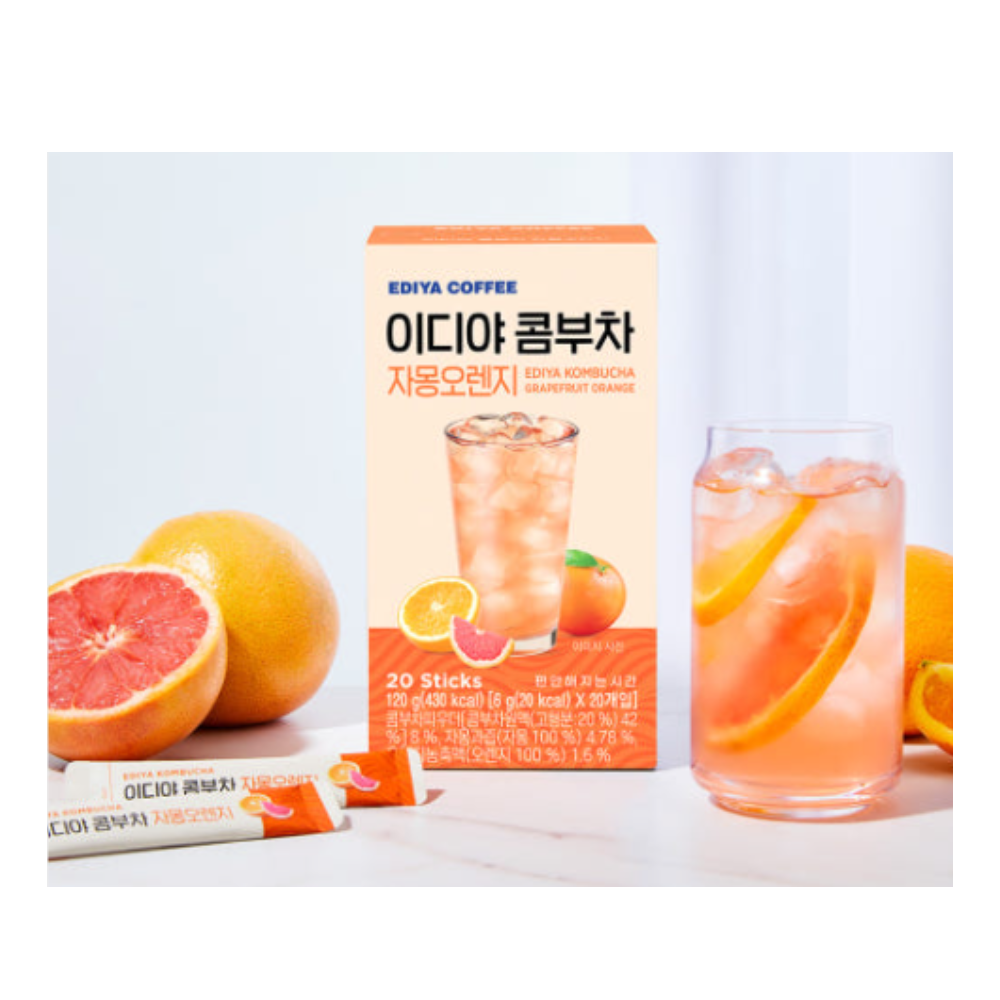
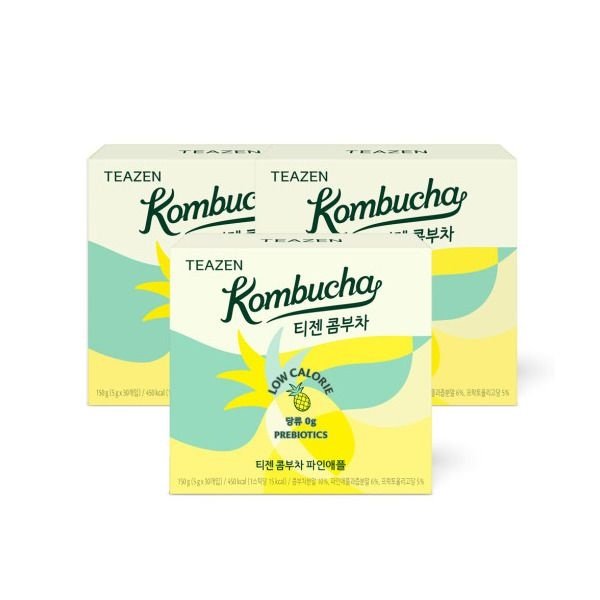
Source: https://blog.naver.com/PostView.naver?blogId=whitepuppy3&logNo=224341851912
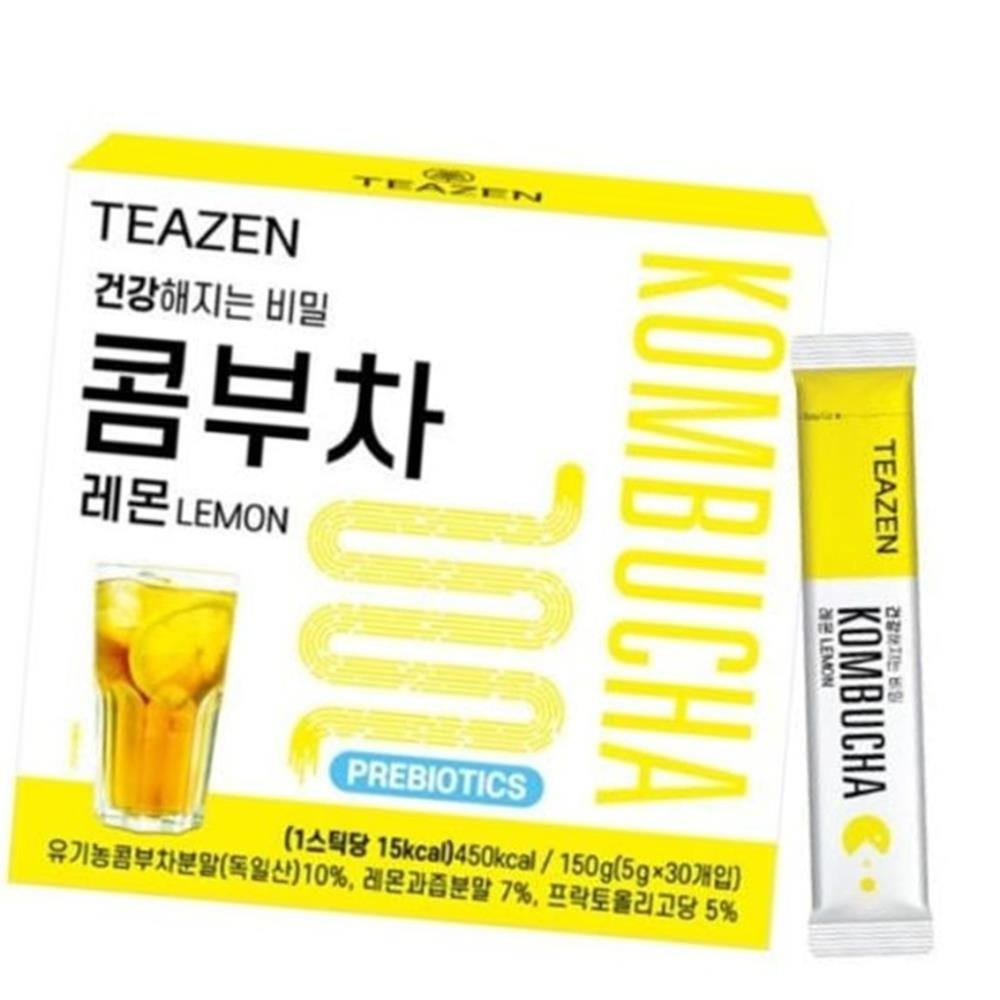
 TEAZEN Lemon Kombucha Tea, Hydration Drink Mix, Sugar Free, Live Probiotics & Prebiotics, 10 Sticks, 1.76ozAmazon.com: TEAZEN Lemon Kombucha Tea, Hydration Drink Mix, Sugar Free, Live Probiotics & Prebiotics, 10 Sticks, 1.76oz : Grocery & Gourmet FoodShop on Amazon →
 Humm Probiotic Kombucha Zero Sugar Variety Pack, No Refrigeration Needed, Keto Friendly, Organic, Vegan, Gluten Free, 12oz Cans (16 Pack)Amazon.com: Humm Probiotic Kombucha Zero Sugar Variety Pack, No Refrigeration Needed, Keto Friendly, Organic, Vegan, Gluten Free, 12oz Cans (16 Pack) : Grocery & Gourmet FoodShop on Amazon →
 Liquid Remedy Kombucha Sugar Free Organic Drink, Low Calorie, Probiotic Like Tea for Gut Health – Super Sampler Variety Pack – 8.5 Fl Oz Can, 24-PackAmazon.com: Liquid Remedy Kombucha Sugar Free Organic Drink, Low Calorie, Probiotic Like Tea for Gut Health – Super Sampler Variety Pack – 8.5 Fl Oz Can, 24-Pack : REMEDY Kombucha: Grocery & Gourmet FShop on Amazon →
As an Amazon Associate, we earn from qualifying purchases.