Why Korean Gim Became the Ultimate Global Snack Instead of Just “Black Semiconductor” 🌊🔥

Lauded by the BBC, granted zero-tariff status in the US, and packed into suitcases by tourists worldwide—Korean Gim (roasted seaweed) is having a massive moment! 🚀 Even as export numbers skyrocket past the 1 trillion won mark, industry insiders casually shrug, “Hey, this isn’t a semiconductor; it’s just really, really good food.” But wait—Japan has a rich seaweed culture too, so why is Korean Gim single-handedly captivating the globe? The answer is surprisingly simple yet fascinating. From manufacturing techniques to the philosophy of texture, the cultural secrets packed into a single crispy, dark sheet are taking over the world! ✨
📌 Just the Facts: What You Need to Know
- Korean Gim is designated as the sole agricultural and fishery product to enter the US completely tariff-free (slashing the previous 15% tariff down to 0%!) 🎉
- The explosive global rise of K-content like K-dramas and K-pop creates a powerful ripple effect, sparking massive cravings for gimbap, rice balls, and other seaweed-infused dishes. 🍙
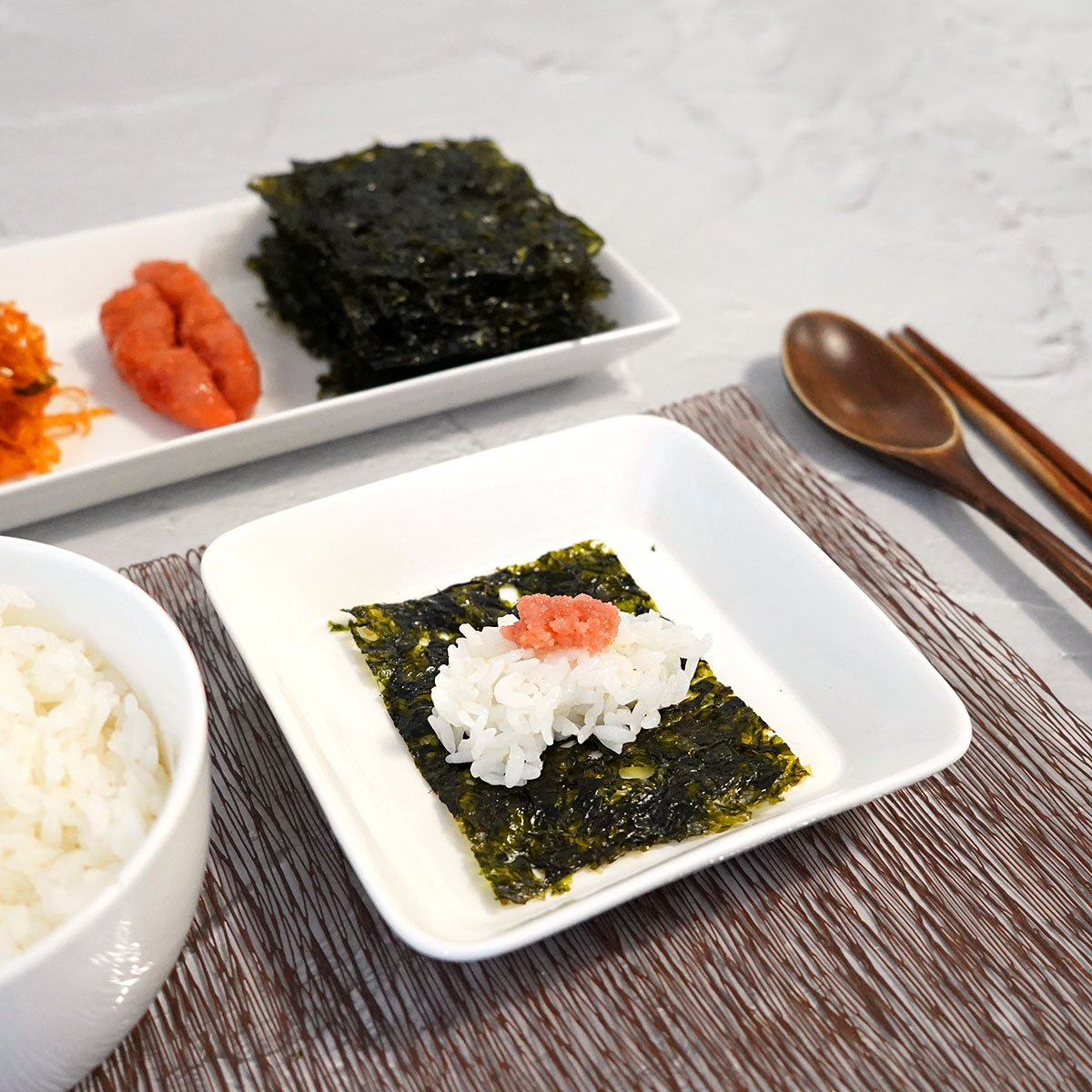
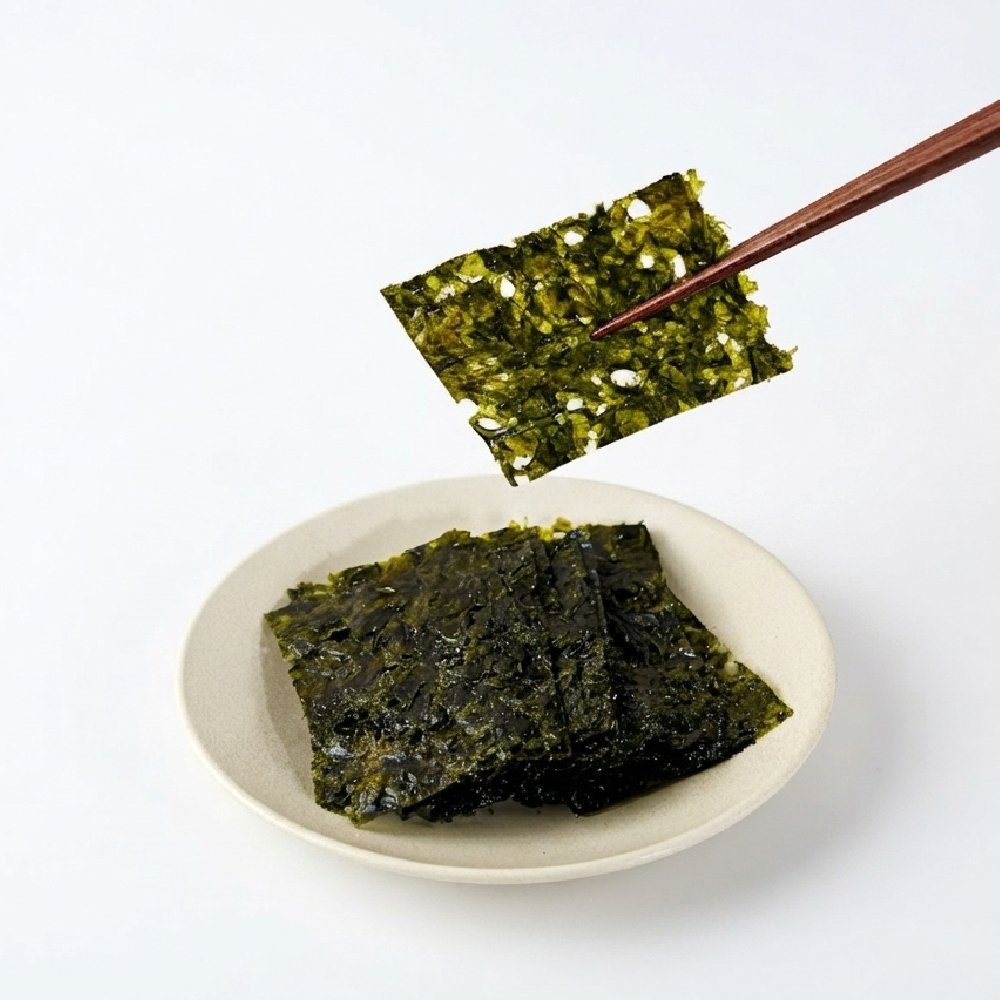
- Unlike its competitors, Korean Gim partially preserves the original form of the seaweed, resulting in a delightfully rough texture and an insane crunch. 💥
- Japanese nori is finely pulverized using a traditional washi (paper-making) method, giving it a notoriously chewy and sturdy texture. 📜
- The secret seasoning formula for Korean Gim relies on oil (sesame or perilla oil) + salt + high-temperature roasting, whereas Japanese nori leans into a sticky, soy sauce-mirin-sugar flavor profile. 🍯
- Among international tourists, freshly made, premium roasted Korean Gim in hotspots like Myeongdong has become an absolute must-buy souvenir! 🛍️
🔍 Two Sides to Every Story
| Perspective | Core Argument |
|---|---|
| Industry & Policy Makers | Korean Gim is a strategic export item dubbed the “black semiconductor,” driven by tax-free perks and explosive K-content synergy. 📈 |
| Food Experts on the Ground | Calling it a semiconductor is totally overblown! The real reason Korean Gim wins hearts worldwide is pure flavor—specifically, the culinary philosophy of pursuing extreme crunchiness and nutty richness. 🤤 |
| Consumer Experience (Tourists) | It’s the ultimate souvenir from a trip to Korea and a premium, hand-roasted snack. Offering free samples makes it interactive, travel-friendly, and uniquely Korean! 🎁 |
| Cross-Cultural Comparison | A fundamental difference in manufacturing philosophy—”form retention” (designed for wrapping) versus “texture maximization” (enjoyed on its own)—is the true engine of global competitiveness. ⚔️ |
❓ Burning Questions Answered!
Q1. Japan makes seaweed too, so why is Korean Gim taking over the world?
A1. The manufacturing philosophy is entirely different! 🤯 Japanese nori is made to be tough and sturdy so it can wrap around sushi or rice balls—it’s basically processed like paper. On the flip side, Korean Gim is crafted to be eaten like a standalone side dish, chasing ultimate crunch and nuttiness. The process of brushing it with oil and flash-roasting it at high temperatures brings the texture much closer to potato chips or savory snacks! Global foodies fell in love with the charm of “seaweed wrapped around rice” straight out of K-dramas, and now they’re devouring it as a standalone snack. 🍿
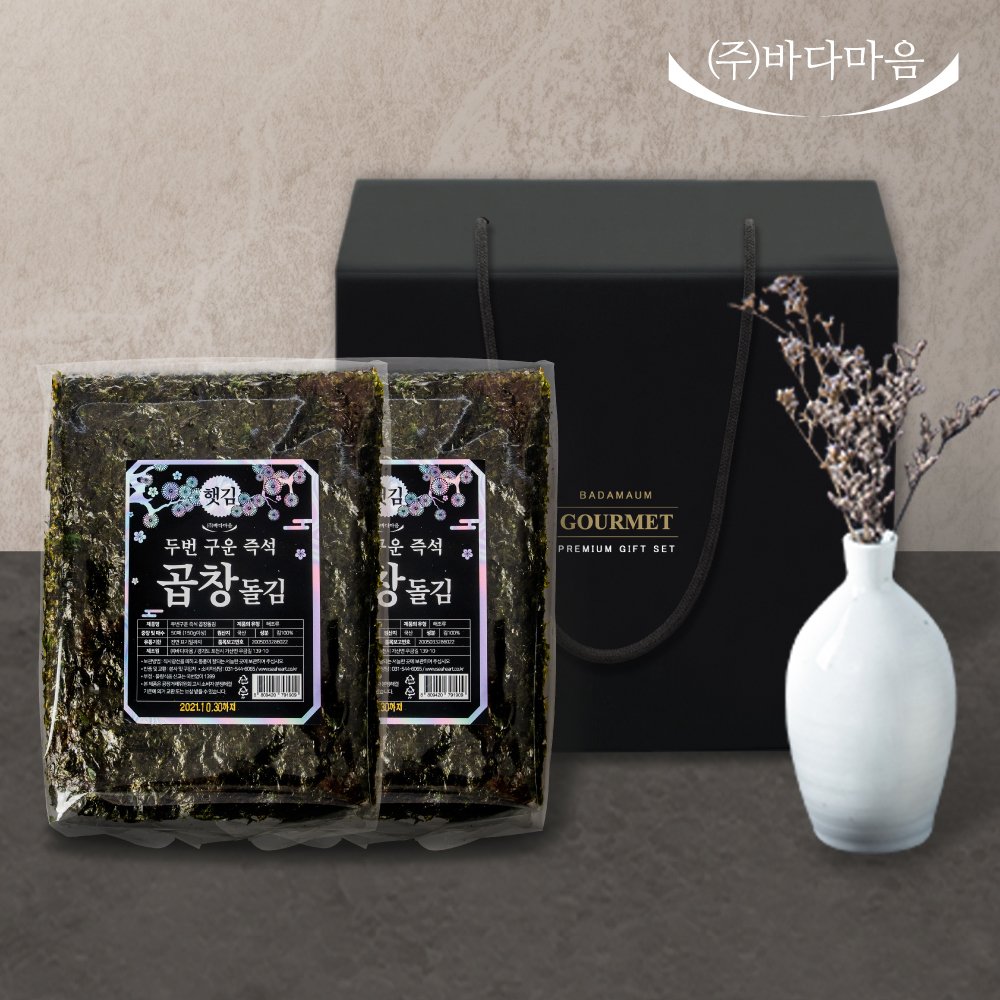
Q2. What’s the big difference between premium Korean Gim (like gopchang dolgim) and regular table seaweed?
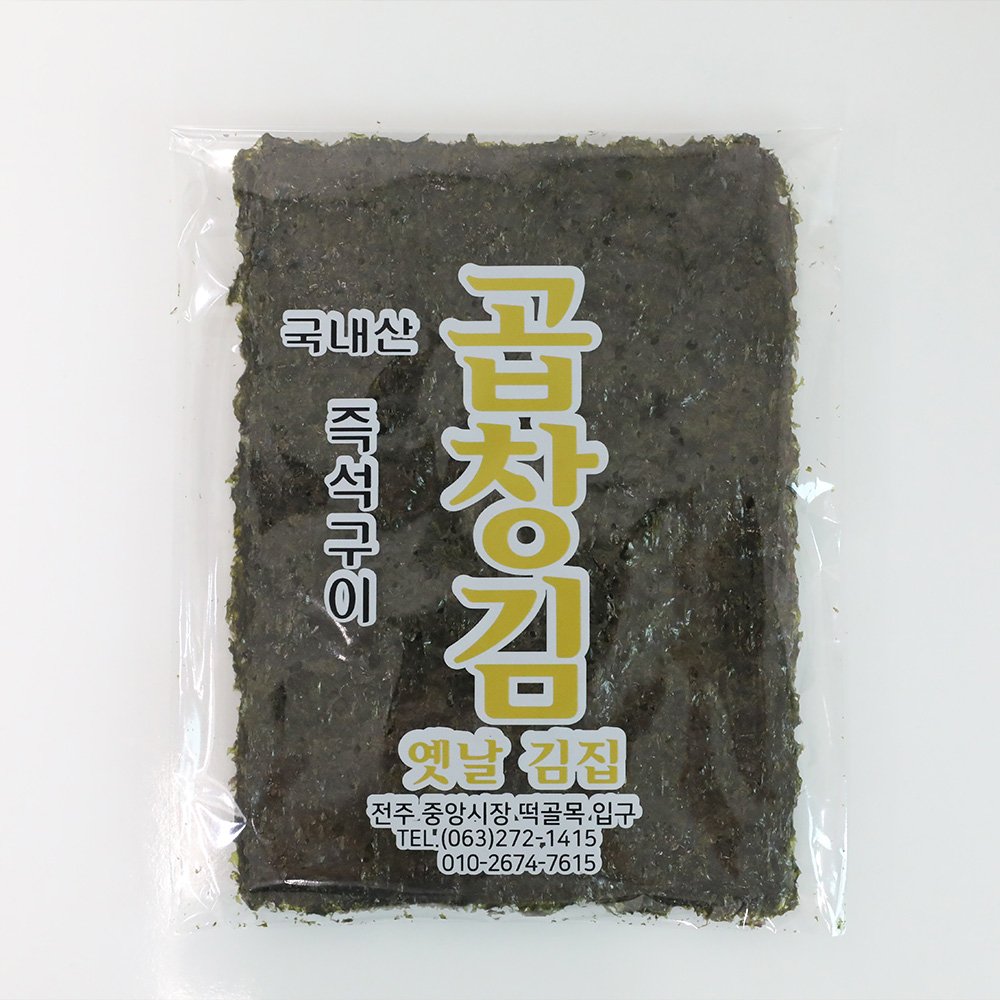
A2. It all comes down to the quality and thickness of the raw seaweed! 🌿 Gopchang dolgim uses premium raw seaweed that is roughly four times more expensive than standard varieties, featuring a bumpy surface and a thicker bite. When you brush this bad boy with fresh perilla oil and hand-roast it sheet by sheet, it stops being a mere “rice side dish” and transforms into an elite, uniquely Korean snack. This is exactly why tourists in Myeongdong line up for free samples and buy boxes on the spot! 🏃💨
Q3. Surely the US tariff exemptions aren’t the *only* reason Korean Gim conquered the world, right?
A3. You hit the nail on the head! While tariff perks definitely sweeten the deal, the real driving force is K-culture. 🎬 When shows like Extraordinary Attorney Woo blew up in the US, viewers were naturally exposed to Korean food culture—especially gimbap and rice balls. They discover the magic ingredient (seaweed), try it during a trip to Korea or order it online, and boom—they’re lifelong fans. The zero-tariff perk is just the final little push that gives it unbeatable price competitiveness at checkout! 💳

💡 My Personal Take on the Hype
The global triumph of Korean Gim is the ultimate marriage of “technology” and “culture.” It’s not just an export product; it’s the export of an entire culinary philosophy! 🥢
On the surface, tax policies and K-dramas look like the main characters, but the real star is the production method itself. Unlike Japan, which evolved its papermaking techniques to “maintain structural form,” Korea optimized its seaweed to maximize “mouthfeel pleasure.” Preserving the rough texture of the raw seaweed, amplifying the nutty richness of the oil, adding just the right touch of salt, and finishing it with high-temp roasting—every single step stems from the premise of “food meant to be enjoyed on its own.” ✨
Add K-dramas into the mix, and curiosity about Korean food culture skyrocketed. Combined with experiential shopping like the premium fresh-roasting shops in Myeongdong, it evolved past simple food export into a full-blown “Korean premium snack culture.” Watching foreigners taste-test on the spot, witnessing the sheets being hand-roasted, and admiring the aesthetic packaging—that entire experience defines the true value of Korean Gim. 💯
The coolest part? More and more people are realizing this isn’t some high-tech industrial product like semiconductors. Sure, the government and media love slapping fancy labels on it, but food experts keep it real. And honestly? That grounded, down-to-earth authenticity might just be the secret signal proving Korean Gim is here to stay as a genuinely beloved global pantry staple. It’s not a tech gadget that can be easily replaced; it’s a living piece of Korea’s vibrant food culture! 🇰🇷❤️
💬 The Vibe on the Ground in Korea
Local buzz highlights glowing reviews and crazy high re-order rates from international tourists visiting Myeongdong’s premium seaweed boutiques. Features like free taste-tests, watching the live roasting process, and multi-lingual guides score massive brownie points! 🌟 Plus, seasoned food MDs with over 30 years in distribution are keeping things refreshingly real, pointing out that calling seaweed a “semiconductor” is pure hyperbole—ultimately, it just boils down to it being “delicious food.” And honestly? That’s the best review of all. 😉
Source: https://blog.naver.com/PostView.naver?blogId=fly_inz&logNo=224113324803
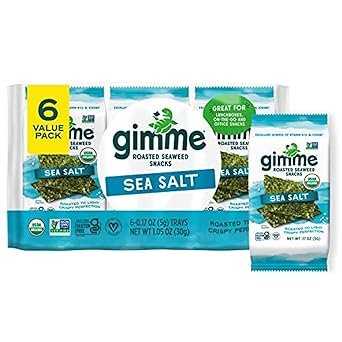 Gimme 6 CT Sea Salt Organic Roasted Seaweed Snacks, 5g, 0.17ozAmazon.com: Gimme 6 CT Sea Salt Organic Roasted Seaweed Snacks, 5g, 0.17oz : Grocery & Gourmet FoodShop on Amazon →
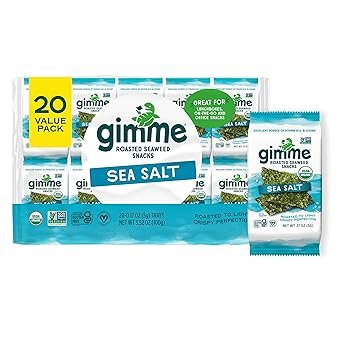 Gimme 20 CT Sea Salt Organic Roasted Seaweed Snacks, 5g, 0.17ozAmazon.com: Gimme 20 CT Sea Salt Organic Roasted Seaweed Snacks, 5g, 0.17oz : Grocery & Gourmet FoodShop on Amazon →
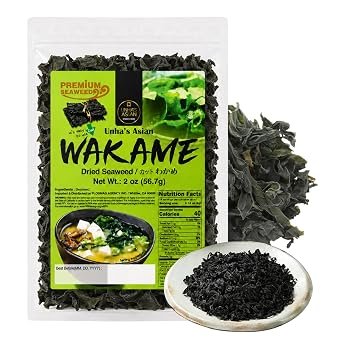 Unha’s Korean Dried Wakame Seaweed Flakes, 2 oz | Dried wakame flakes, Korean sea vegetable, quick soak, miso soup, salad, ramen rice bowls, resealablAmazon.com : Unha’s Korean Dried Wakame Seaweed Flakes, 2 oz | Dried wakame flakes, Korean sea vegetable, quick soak, miso soup, salad, ramen rice bowls, resealable pouch : Grocery & Gourmet FoodShop on Amazon →
As an Amazon Associate, we earn from qualifying purchases.
Related Stories
- Why the Buldak Bokkeum Myeon Pepo Debut Is Way More Than Just a Character Swap — The End of a 12-Year IP War 🔥
- Why the Ottogi P pousser P pousser Bulgogi Popcorn Flopped: The Trap of K-Food Crossover Licensing 🍿
- Why Honey Butter Almond Became the Ultimate Seasoned Snack 🍯🥜
- Why Foodology Coleology Cutting Jelly Pomegranate is Winning as a Habit Snack Rather Than Just a Health Supplement