Nongshim Shin Ramyun Original Spicy Flavor Is Facing Its Biggest Shakeup in 40 Years! 🔥
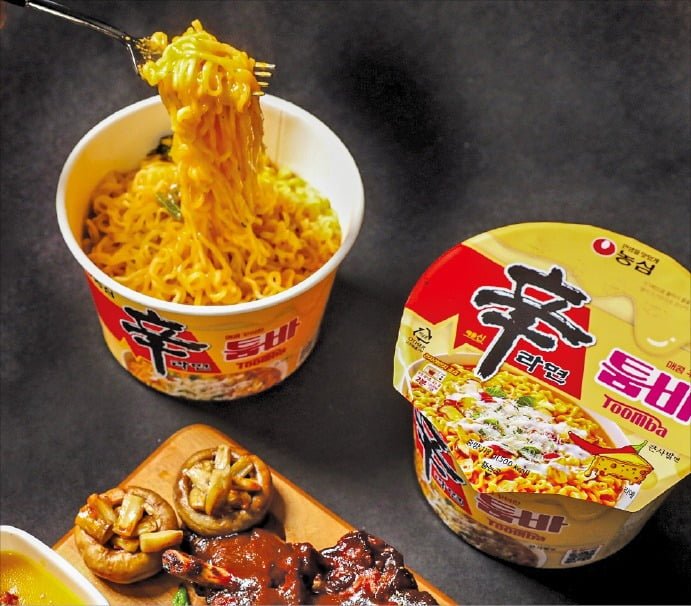
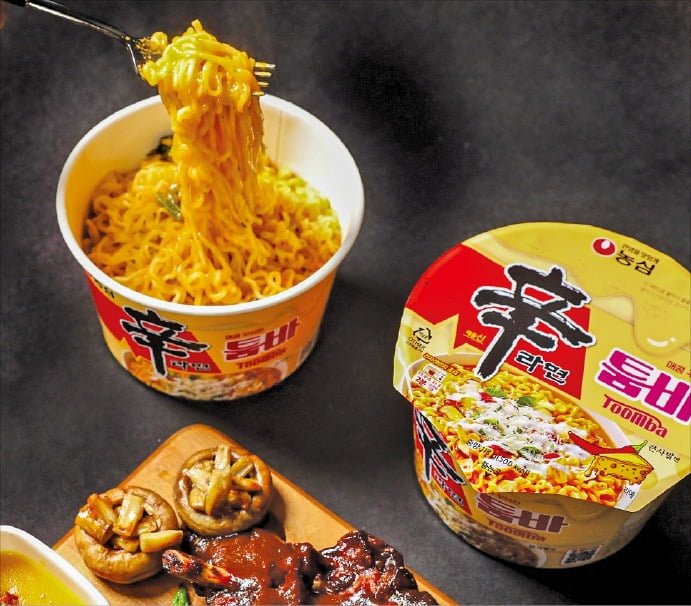
Back on October 2, 1986, a bold move by Chairman Shin Choon-ho gave birth to Nongshim Shin Ramyun, the ultimate benchmark for spicy instant noodles. That intense heat, chewy noodles, and deeply flavorful broth—these three elements defined the identity of Korean ramyun and eventually conquered over 100 countries worldwide. 🌍 But over the past few years, cracks have started to show in the traditional ecosystem built around the Nongshim Shin Ramyun Original Spicy flavor. With the premiumization of Shin Ramyun Black, the spice infusions of Shin Ramyun Gold, and the creamy transformation of Shin Ramyun Tumba—why on earth is Nongshim starting to reinterpret its most powerful weapon? 🤯
📌 Here Are the Verified Core Facts
- Shin Ramyun was launched on October 2, 1986, maintaining its signature spicy kick as its core identity.
- It has now grown into a global food phenomenon, exported to over 100 countries worldwide. 🌏
- The product line has expanded into a multi-layered family, including Black (premium), Gold (chicken broth + curry hint), and Tumba (rose cream).
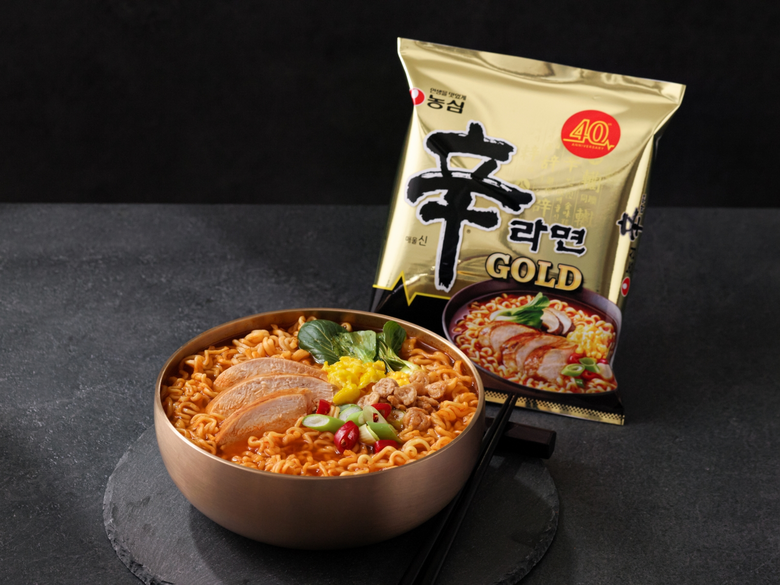
- Shin Ramyun Gold keeps the original heat level while adding depth to the broth with a chicken-based stock. 🍗
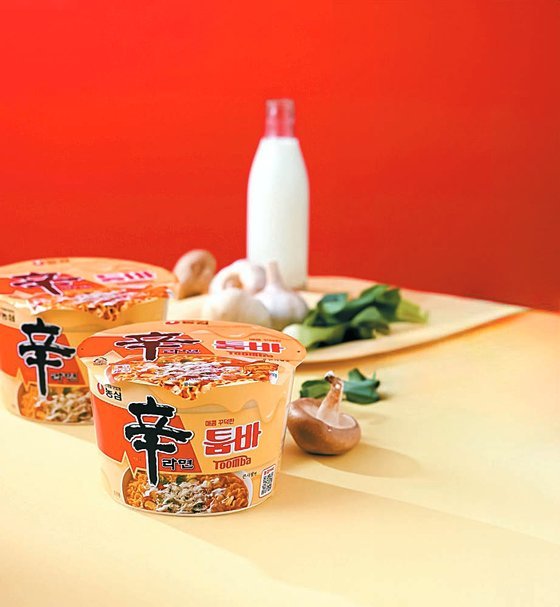
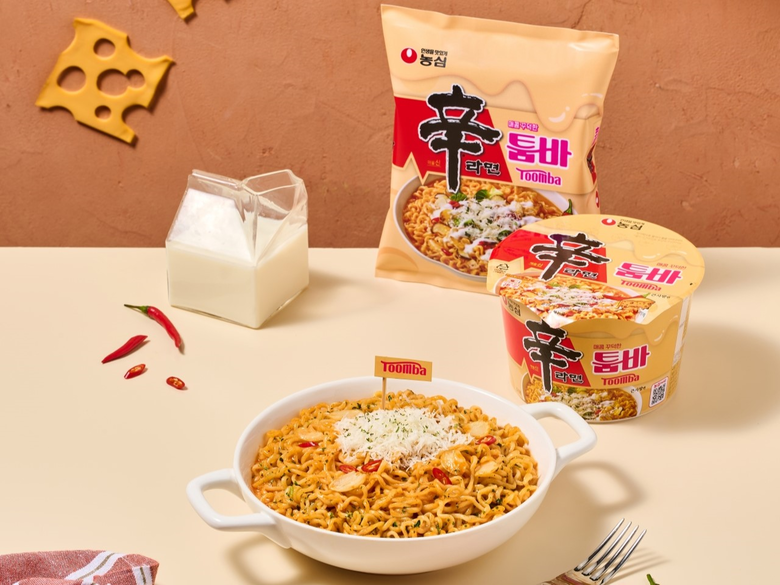
- Shin Ramyun Tumba is inspired by Italian rose pasta, neutralizing the fierce heat with a rich cream sauce. 🍝
- The flake toppings in Gold (egg, chicken, bok choy) and the liquid-plus-powder dual sauce system in Tumba signal a major push for product differentiation. ✨
- Consumer reviews show a growing sentiment that “sometimes that straight-up heat can feel a bit too intense.” 💭
🔍 There Are Conflicting Perspectives on This
| Product Line | Core Strategy | Target Audience | Difference from Original |
|---|---|---|---|
| Shin Ramyun Original | Establishing the benchmark with intense heat | Spice lovers 🔥 | Straightforward and aggressive spicy taste |
| Shin Ramyun Black | Moving upmarket with a premium price point | Consumers seeking high-end value 💎 | Deeper broth, luxurious ingredients |
| Shin Ramyun Gold | Targeting mature palates with a deeper broth | Those who want heat without the harsh irritation 🍲 | Chicken broth base with a subtle curry aroma |
| Shin Ramyun Tumba | Broadening the appeal by neutralizing the spice with cream | Spice-sensitive eaters, cream pasta fans 🧀 | A totally different experience reminiscent of rose pasta |


❓ Here Are Some Burning Questions Fans Have Been Asking
Q1. The Shin Ramyun Original Spicy flavor hasn’t changed for 40 years, so why diversify now? 🤔
A1. While establishing itself as the “gold standard” through its original spicy taste was a massive success, it also created an “untouchable wall.” Back in 1986, the sheer kick of the spice was a novelty, but today’s consumers aren’t satisfied with raw, blunt irritation alone. Plus, expanding into over 100 countries required localized tweaks. In other words, preserving the original while building a “spectrum” around it has become a matter of survival. 🚀
Q2. Between Shin Ramyun Gold and Tumba, which one is more likely to succeed? 🎯
A2. That really depends on the target demographic. Gold functions as an “upgraded option for existing hardcore fans,” while Tumba acts as an “entry point for people who used to avoid spicy ramyun.” The former digs deeper into the niche, while the latter expands the market pie itself. Long-term, the expansion potential of the latter is massive, though short-term profitability will likely be higher for Gold. Ultimately, Nongshim needs both lines in their arsenal! 📈
Q3. Doesn’t this much diversification dilute the brand identity of Shin Ramyun? 🧐
A3. Actually, it’s quite the opposite. Dressing up the 40th-anniversary Gold edition in golden packaging or infusing Tumba with an Italian vibe only works because of Shin Ramyun’s rock-solid foundation. Just like Apple gained trust with the base iPhone before launching Pro, Pro Max, and Mini models, Shin Ramyun’s brand image won’t be tainted as long as the original status remains unshaken. If anything, it sends a powerful message: “No matter which Shin Ramyun you choose, it’s still Shin Ramyun.” 😎
💡 My Own Personal Take on the Situation
If you take a close look at the strategy Nongshim has rolled out over the past 40 years, you’ll spot an intriguing paradox. Shin Ramyun started out with a single, intensely powerful identity—”spiciness”—but today, that very “singularity” is what’s facing the biggest threat. 📉
The 1986 Shin Ramyun hit the nail on the head regarding the desires of its era. Back then, the Korean ramyun market was flooded with monotonous, mild beef broths, so Chairman Shin Choon-ho successfully filled a massive void with a hearty, spicy beef stew flavor. That success crowned Shin Ramyun as the absolute standard for spicy ramyun. But 40 years later, a problem emerged: the standard had become a bit too rigid. 🧱
The recent diversification of Shin Ramyun isn’t just a simple portfolio expansion; it’s closer to a “decentralization of the standard.” Shin Ramyun Black showed a vertical leap into the premium market—and although Black experienced growing pains with initial high pricing and ad controversies that temporarily halted production, it was re-released with upgraded quality to successfully pioneer the premium ramyun segment. Meanwhile, Gold and Tumba send an even more fascinating signal. ✨
The fact that Shin Ramyun Gold introduced a chicken broth base and a subtle hint of curry means the brand has accepted market feedback saying, “Spiciness alone isn’t quite enough anymore.” When you see consumer reviews mentioning that “sometimes that heat is just too straightforward,” it implies that the original identity no longer satisfies every single palate. The emergence of consumers who are “craving a rounder, deeper broth” must have been a surprising twist for Nongshim. 🥣
Shin Ramyun Tumba is even more radical. Getting inspired by Italian rose pasta and coating the heat with cream is a clear declaration that Nongshim is willing to “neutralize” its strongest weapon to secure a brand-new consumer base. The marketing message claiming that “even those who struggle with spicy food can enjoy it effortlessly” means Shin Ramyun is no longer just for hardcore spice addicts—it’s gunning for the entire food market. 🍽️
So, will this gamble pay off? In my opinion, we need to look at it through both a short-term and long-term lens. Short-term, Black and Gold are likely to crush it in terms of profitability because they satisfy the “deepened cravings” of loyal Shin Ramyun fans. But long-term, products with “softer entry points” like Tumba will likely make the market grow exponentially, as they can serve as a gateway for people who have always steered clear of spicy noodles to finally experience Korean ramyun for the first time. 🌉
However, there’s one major pitfall Nongshim needs to watch out for. If they dilute Shin Ramyun’s identity too much, they risk losing its sheer punching power. Right now, consumers might find themselves standing in the aisle thinking, “Wait, which Shin Ramyun should I actually buy?”—which increases brand friction. With the lineup growing, Shin Ramyun’s “overwhelming presence” on supermarket shelves might not feel quite as dominant as it used to. In other words, Shin Ramyun is facing a risky transition from the “power of a single product” to the “strength of a portfolio ecosystem.” 🛒
Ultimately, Nongshim’s current playbook looks like an attempt to solve the ultimate survival equation in a mature market. They’ve realized that the Original Spicy flavor can’t do all the heavy lifting anymore, which is why diversification was inevitable. For this to work, every single line needs a crystal-clear target and positioning while ensuring that the core parent brand never loses its luster. Shin Ramyun has managed to strike that delicate balance so far, but how well they maintain it with future releases will be the ultimate game-changer! 🏆
💬 What Are Local Fans Saying in Korea?
Consumer feedback pulled straight from the data leans overwhelmingly positive! For Shin Ramyun Tumba, reactions range from “Wait, this is way better than I expected!” to “It feels like making a luxurious, high-end meal at home.” 👩🍳 As for Shin Ramyun Gold, it earned high praise as “less of a typical ramyun and more of a mature, sophisticated version of Shin Ramyun.” In particular, consumers of Gold expressed specific emotional cravings for “a rounder, deeper broth,” highlighting a sense of fatigue toward the blunt, aggressive heat of the original. While some mentioned Gold’s higher calorie count (540 kcal), most brushed it aside, noting that “considering the rich broth and toppings, you don’t really feel the heavy difference.” Overall, the local buzz is electric! ⚡
Source: https://blog.naver.com/PostView.naver?blogId=sunjea1212&logNo=223797404769
🎬 Related Videos
Related Stories
- How Frozen Gimbap Became a Viral Sensation for Gen Z 🍙
- Sokcho Yookgu Mill from Master of Life: Ultimate Waiting Guide from Morning to Evening! 🔥
- Why Honey Butter Almond Became the Ultimate Seasoned Snack 🍯🥜
- How **Overseas CheongKwanJang Hongsamwon** Conquered the Global Energy Drink Market: Why This 36-Year-Old Korean Classic Just Smashed $70 Million! 🔥