How Frozen Gimbap Became a Viral Sensation for Gen Z 🍙
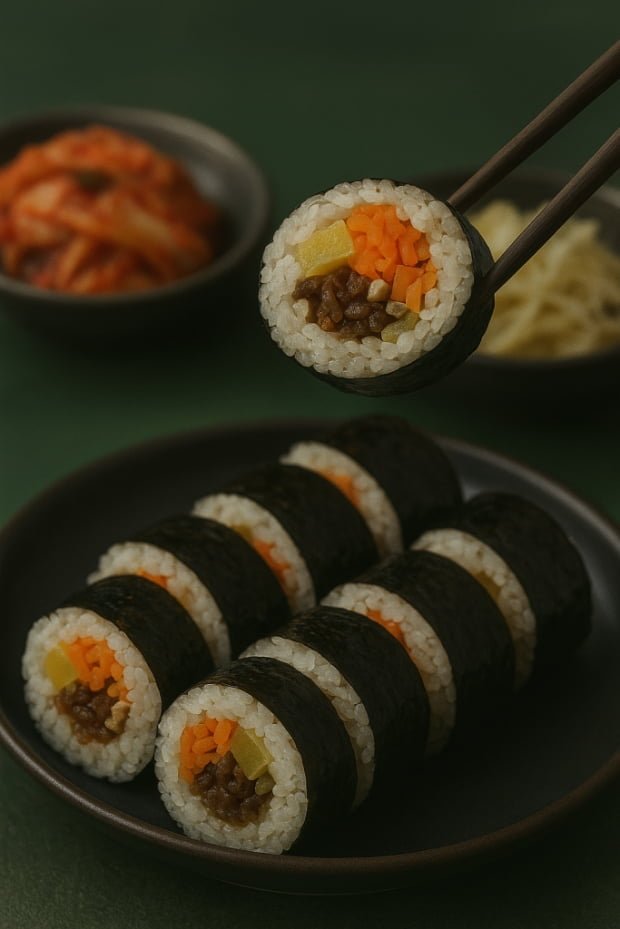
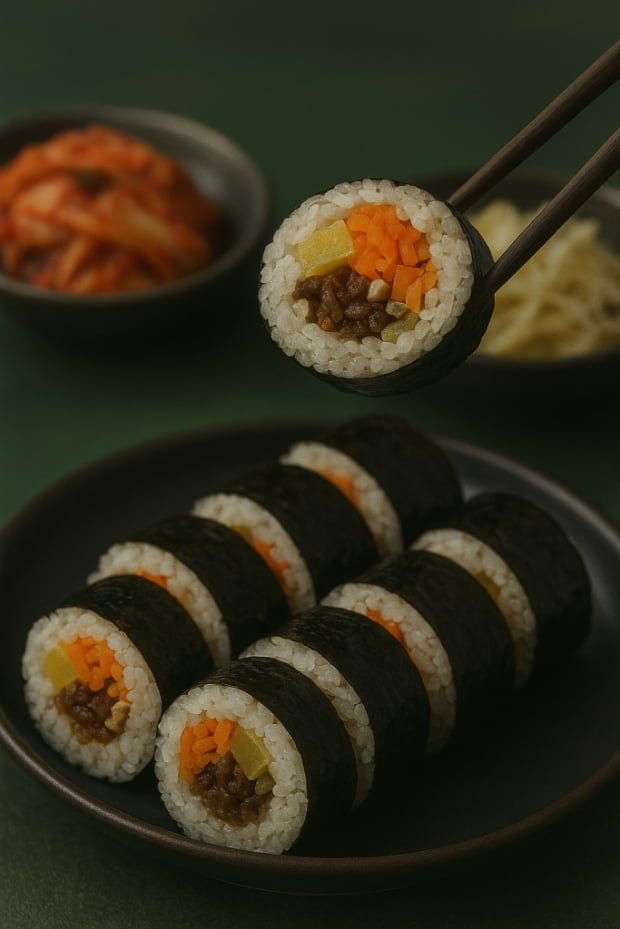
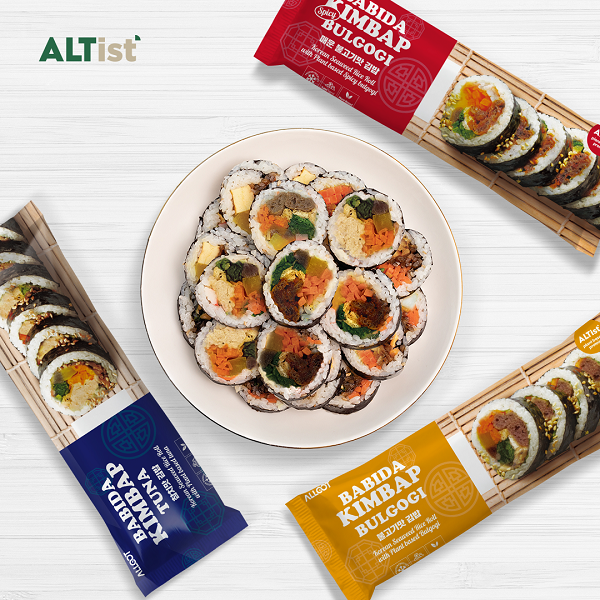
At a trendy K-food spot in San Francisco, a single roll of Tuna Gimbap sets you back a cool $11.25 (approx. 16,500 KRW)—over three times the price at a casual boba or snack shop in Gangnam, Seoul. But an even bigger cultural shift is happening right under our noses. Head over to the frozen aisle of an overseas Korean supermarket, and you’ll find frozen gimbap packed with real Dongwon Tuna lined up next to low-carb and vegan alternatives. Modern foodies pressed for time are choosing the ultimate convenience without sacrificing the authentic vibe. Diet culture, busy schedules, and the decline of traditional local eateries have all conspired to make that 3-minute microwave ding sound better than ever! ✨
📌 Quick Facts at a Glance
- Frozen Gimbap is a ready-to-eat meal heated in the microwave for just 2 to 3 minutes, featuring actual brand-name ingredients like Dongwon Tuna.
- Widely available in Korean supermarkets across US cities like San Francisco and LA, with a surging non-Korean customer base fueled by the K-pop wave.
- Rising demand driven by the closure of traditional snack shops in Korea, alongside newly launched low-carb and vegan options.
- Standard gimbap packs 500+ calories, whereas low-carb frozen gimbap hovers around 350 calories with less than 1.6g of sugar.
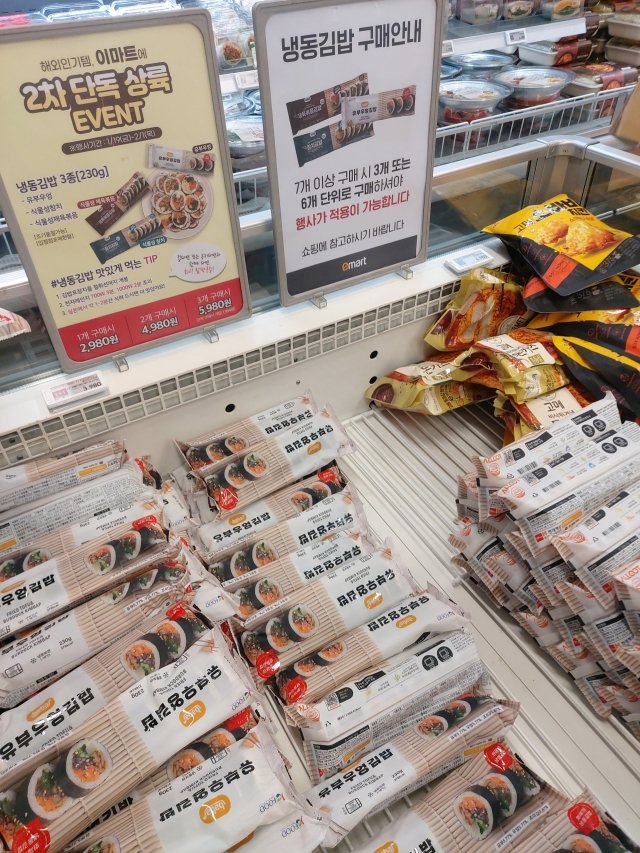
- Priced accessibly in Korea at 3,500–5,000 KRW, and localized at roughly $14–$20 (18,000–26,000 KRW) overseas.
- Utilizes patented packaging technology designed to preserve the chewy texture of the seaweed even after freezing and thawing. 🧊
🔍 Differing Perspectives on the Trend
| Perspective | Details |
|---|---|
| Overseas Expats & Locals | Spurred by K-dramas and K-pop, curiosity about Korean cuisine is through the roof. Instead of pricey restaurants, folks are opting for budget-friendly frozen foods as a smart value play. Even mainstream American shoppers are buying in! |
| Health-Conscious Consumers (Domestic) | A growing obsession with dieting and wellness makes low-carb and vegan options irresistible. Ditching the hefty 500+ calorie count of traditional gimbap for a lighter, smarter alternative. 🥗 |
| Convenience-First Crowd (All Ages) | The ultimate fix for packed work schedules, late-night overtime, and the disappearing neighborhood snack bar. The 3-minute prep time is an absolute game-changer, complete with mess-free packaging. |
| Authenticity & Taste Check | Despite low initial expectations compared to fresh restaurant fare, reviews are surprisingly glowing. High trust in the quality of Korean rice and ingredients (like local veggies and Dongwon Tuna), though some miss the beloved gimbap ends (ggongji)! |
❓ Burning Questions Answered
Q1. Is frozen gimbap actually as delicious as fresh gimbap?
A1. While it might not beat a freshly rolled specialty shop gimbap, it completely smokes standard convenience store gimbap! Reviewers rave about the surprisingly bouncy rice texture (neither mushy nor hard) and crisp veggie fillings (plenty of carrots and cucumber). Though minor texture changes from the freeze-thaw cycle (like slightly soft seaweed) used to be a worry, patented packaging has solved a lot of those issues. 🥢
Q2. Can I buy frozen gimbap in the US?
A2. You bet! You can find them in the frozen sections of major Korean markets like Galleria Market in Los Angeles. They’re mostly stocked in areas with high Korean-American populations right now, though mainstream grocery expansion is definitely on the horizon.
Q3. Is it okay to eat frozen gimbap while on a diet?
A3. Low-carb frozen gimbap is a massive upgrade from standard gimbap (350 kcal vs. 500+ kcal, with only 1.6g of sugar), but don’t treat it as a magic weight-loss bullet. Overall dietary balance is still key, bestie! 💪
💡 My Personal Take on the Phenomenon
The rise of frozen gimbap isn’t just another passing convenience food trend—it represents the exact moment K-food collided with our time-poor, fast-paced modern reality. Back in the day, gimbap was the ultimate symbol of “mom’s homemade lunchbox,” packed with love and labor. Fast forward to the 2020s, and even that labor has been outsourced straight to the freezer aisle. 🤯
There are three main layers driving this shift. First, infrastructure breakdown. Local snack bars and mom-and-pop gimbap shops in Korea are closing down left and right. Meanwhile, overseas markets like the US are seeing explosive demand for Korean food thanks to K-pop, but finding skilled kitchen staff has become a nightmare. Frozen gimbap swooped in to fill that exact supply-chain vacuum like a superhero.
Second, the segmentation of the wellness market. Traditional gimbap has unfortunately earned a reputation as a “heavy meal.” High calories, high sugar, and carb-heavy bloat feel totally outdated to today’s foodies. Instead, low-carb, vegan, and multi-grain options have become the ultimate status symbol for the Gen Z dining table. The price point works, too: at 3,500 to 5,000 KRW in Korea, it’s way cheaper than standard dining out while giving you that sweet psychological boost of making a “smarter choice.” 🥑
Third, the physical expansion of global Hallyu. K-dramas constantly feature characters enjoying gimbap. Even small indie spots like King Bob in San Francisco draw crowds of eager American fans. But a $11.25 price tag per meal can be a massive barrier to entry. Frozen gimbap delivers that exact emotional craving at a fraction of the cost—low margins per roll, but massive cultural impact!
What’s truly fascinating is how frozen gimbap stubbornly clings to its “Korean food” identity. While Western frozen foods lean hard into localization, Korean brands proudly plaster labels like “Made with Dongwon Tuna,” “Domestic Korean Veggies,” and “Konjac Multi-grain Rice.” At first glance, this looks like the exact opposite of traditional premium localization strategies, but it’s actually genius. It maximizes accessibility without ever breaking the sacred trust that *this is the real deal*. 🔥
At the end of the day, the future of frozen gimbap won’t rest purely on absolute culinary perfection, but on brand trust. When that 3-minute microwave timer goes off, can consumers truly taste the heart and soul of Korea wrapped inside? Up until now, the verdict is a resounding yes! Just remember—if this trust isn’t overused, frozen foods shouldn’t be seen as a mere “replacement for the original,” but rather as an exciting standalone choice for a totally different lifestyle. Bon appétit! 😋
Source: https://blog.naver.com/PostView.naver?blogId=noriro_&logNo=223720781418
Related Stories
- Shocking Truth About <strong>Shin Ramyun Black</strong>: Why Does It Taste Different Overseas? 🤯
- Why Ramdon Is Still the Ultimate K-Food Icon: From Comfort Food to Luxury Wagyu 🍜🔥
- How Gen Z is Totally Redefining **Bibimbap** All Over Social Media! 🥢✨
- Why Korean Gim Became the Ultimate Global Snack Instead of Just “Black Semiconductor” 🌊🔥